Bird Boxes and Beginnings: Spring Life at Hirundo
Written By: Riley Maker
May in Old Town, Maine arrives quietly at first: cool mornings, thawed earth, and a kind of stillness that feels like a held breath before everything begins again. Along the trails and wetlands of Hirundo Wildlife Refuge, that shift is especially noticeable. What was muted and brown just weeks ago starts to pulse with green, birdsong, and movement.
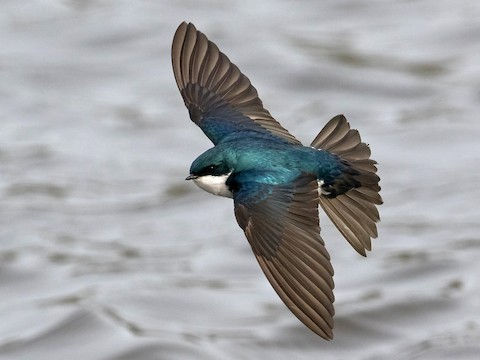
Hirundo, whose name comes from the Latin word “swallow,” lives up to its name this time of year. Tree swallows are among the first to truly animate the landscape. Glossy blue green in the sunlight with clean white undersides; they move with an energy that feels almost effortless—skimming low over the water, twisting through the air, and gathering near nesting areas. These acrobatics aren’t just beautiful but also functional. Tree swallows are aerial insectivores, meaning that they almost exclusively catch their food, insects, mid-flight or "on the wing.” This feeding strategy benefits us as well. As they feed, they are removing a number of mosquitos, black flies, and other bothersome insects.
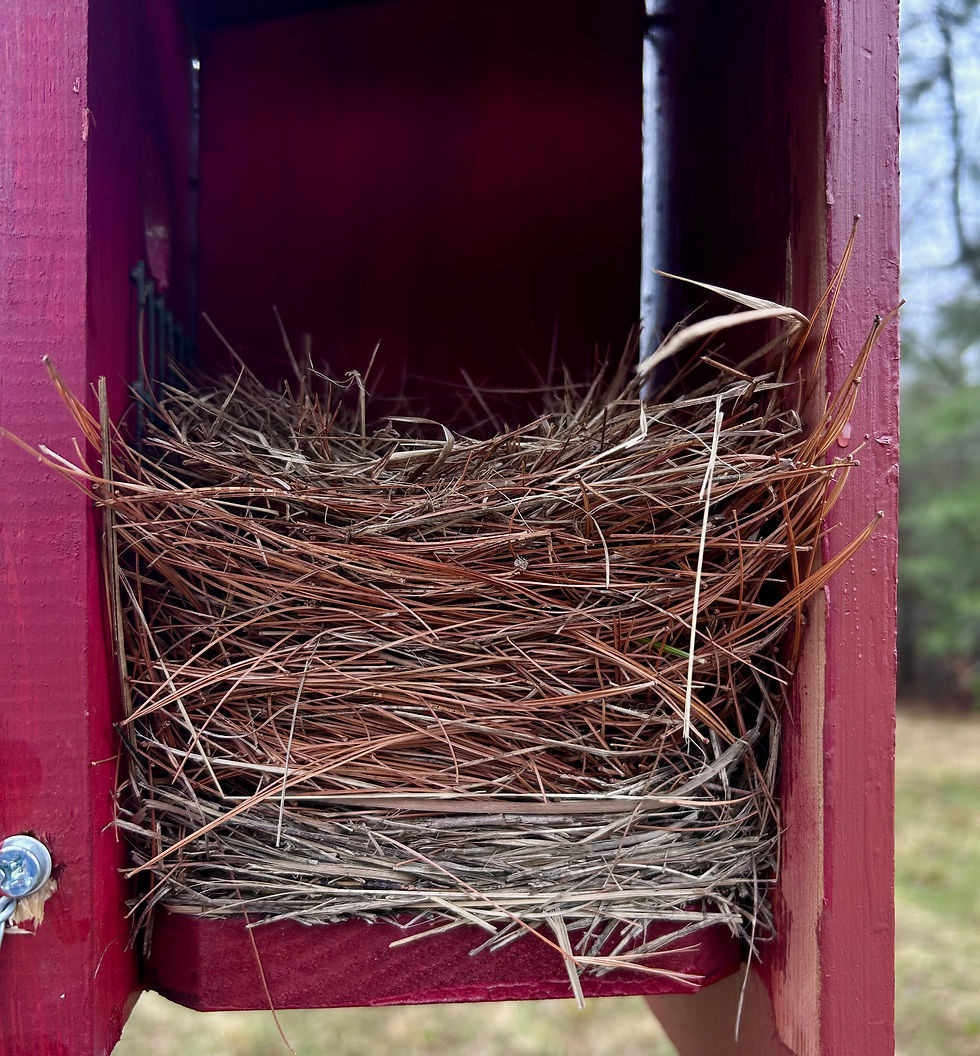
By late April and into the first weeks of May, their focus begins to shift from flight to settling in. Around the refuge, bird boxes become especially active as swallows begin building their nests. This is the only time of year you will see these birds landing frequently throughout the day. You might notice them perching nearby with bits of grass, pine needles, feathers, and other warm, and insulating materials. Then a rapid takeoff brings them to their nestbox, briefly disappearing inside before darting back out again. It’s a busy, purposeful kind of activity less playful than their aerial acrobatics, but just as constant, and beautiful to watch.
As May progresses, nesting gives way to egg laying. Most tree swallows at Hirundo lay their eggs between mid-May and mid-July, though the peak period tends to fall squarely between May and June. During this time, the rhythm of the refuge subtly changes. Swallows still sweep across the ponds and fields for insects, but they return frequently to their boxes, anchoring their movement to a single place. They will continue this pattern until their eggs hatch. Once nestlings arrive they increase their foraging rate to keep up with the fast growing young. This is a relatively short but busy time period as they care for their young for 2-3 weeks. If you keep an eye out during this time you may get to watch some of these juveniles fledge out into the world!

The swallows may be the most visible sign of the season, but they’re far from the only life stirring at Hirundo in May. As daylight stretches longer, other animals begin to fill the refuge with sound and motion. In the early mornings or at dusk, you might hear the low, steady calls of owls echoing from deeper in the woods. Frogs become a constant presence near wetlands and ponds; their calls layering into a chorus that rises with the evening air. Closer to the ground, field mice move through grasses and underbrush, mostly unseen but very much part of the ecosystem feeding, nesting, and supporting the predators above them. May doesn’t rush here. It unfolds. Leaves slowly fill in the trees; the ground softens underfoot, and the air shifts from crisp to mild. The activity of the swallow nest building, egg laying, and constant flight mirrors that gradual change. Everything is in motion, as the land begins to go green.
Spending time at Hirundo this time of year isn’t about any single moment. It’s about noticing patterns: the return of birds to the same boxes, the swell of sound at dusk, the steady layering of life across the landscape. The swallows, true to the refuge’s name, are at the center of it, but they’re also part of something larger, a seasonal rhythm that defines May in this quiet corner of Maine, so please join us in welcoming springs beauty on Hirundo's seven miles of trails, a guided bird walk, monthly Bioblitz, or just to get out and enjoy nature!
References
eBird. (n.d.). Tree Swallow - eBird. Ebird.org.

Comments