TRAVELING NATURALIST
Connect with nature from wherever you are!
Our Traveling Naturalist Program brings the wonders of nature directly to your classroom, group, or learning center - in person or online! Each session is guided by a Hirundo naturalist and offers an engaging hour of educational programming tailored to seasonal phenomena. Using experiential learning, we immerse participants in the natural world, sparking curiosity and connection through fascinating topics such as wildlife adaptations, conservation efforts, and more. This program fosters a deep sense of discovery while meeting educational goals in an accessible and flexible format. Let us help your group connect with nature—no matter where you are!
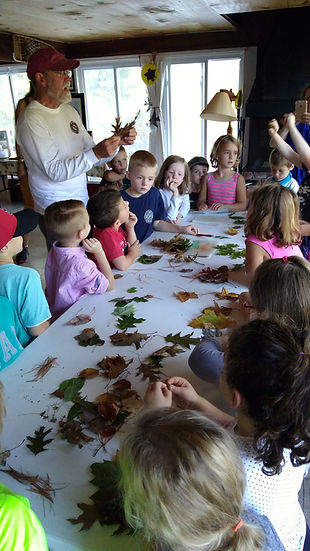
Tailored to your Group
An engaging hour of educational programming highlighting to seasonal phenomena customized to suit your group!
Adult Programming (18+): Each program is 1 hour long and includes an engaging educational presentation, an interactive Q&A session, and often hands-on materials to explore that complement the topic. Virtual programs will not include hands-on materials but will include interactive elements.
Youth Programming (K-8*): Each program is 1 hour long. Each session may include a STEM activity, an interactive game, story/song, and a craft/mini workbook. It is important to note, however, that each program varies depending on age group, ability level, and topic.

PRICING
In Person
-
$120/session (Youth) up to 12 individuals. Additional participants $8 each.
-
$100/session (Adult)
-
$385 for all 4 seasonal programs (Youth)
-
$320 for all 4 seasonal programs (Adult)
Virtual
-
$80/session
-
$255 for all 4 seasonal programs (Youth)
-
$240 for all 4 seasonal programs (Adult)
TRAVEL
In-person programs greater than 35 miles from Old Town will incur a surcharge of $25.
We are unable to accommodate in-person programs to locations outside of a 65-mile radius of Old Town, Maine.
Seasonal Themes

SPRING TOPICS
March - May
Bird
Migration
Explore the incredible journeys of birds that travel thousands of miles each year. Learn why some birds leave Maine for the winter, which species return in the spring, and how they navigate using the sun, stars, and landmarks. Discover the challenges they face along the way and how you can help support migratory birds in your own backyard.
Alewife
Migration
Maine's Famous Fish Journey
Discover the fascinating life cycle of the alewife, a small fish that makes an epic migration from the ocean to freshwater rivers and lakes to spawn. Learn how this annual journey supports other wildlife, connects ecosystems, and why it’s important for the health of Maine’s rivers.
Vernal Pools & Amphibians
Life in Temporary Wetlands
Dive into the magical world of vernal pools, temporary wetlands that spring to life in the spring. Learn about the amphibians (frogs, salamanders, and more) that rely on these pools to breed and survive. Explore how these habitats support biodiversity and why they are critical for Maine’s forests and wetlands.
Phenology
Signs of Spring
Celebrate the arrival of spring by exploring the natural cues that signal the changing season. Observe when trees bud, flowers bloom, birds return, and amphibians emerge from vernal pools. Learn how these seasonal events are connected, what they tell us about the local ecosystem, and how you can track the rhythms of nature in your own backyard.

FALL TOPICS
September - November
Fall Wildlife Migration
How Nature Prepares
for Winter
Experience the remarkable journeys of Maine’s animals as they prepare for winter. Learn about the birds, fish, and even insects that move through the region in the fall, why they migrate, and the challenges they face along the way. Discover how seasonal changes trigger these movements and how you can observe them in your own community.
Autumn
Trees
Exploring Maine’s
Fall Foliage
Discover the beauty and science behind Maine’s autumn forests. Learn why leaves change color, how trees prepare for winter, and what happens with trees that don’t lose their leaves. Explore how evergreens survive the cold months and how wildlife depends on both deciduous and evergreen trees in the fall.
Bats
of Maine
Nocturnal
Neighbors
Meet Maine’s mysterious and fascinating bats! Learn about their behaviors, diets, and how they survive through the seasons. Explore their crucial role in controlling insects and maintaining healthy ecosystems, as well as how you can help protect these nocturnal neighbors.
Archaeology
Discovering
the Local Past
Step back in time to explore the traces left by people who lived in Maine long before us. Learn how archaeologists uncover artifacts, interpret sites, and piece together stories about daily life, survival, and culture. This program includes information from Hirundo Wildlife Refuge’s own archaeology dig site, showing how real-world discoveries help us connect with history and the natural world around us today.

WINTER TOPICS
December - February
Wildlife
in Winter
Strategies
for Survival
Discover how Maine’s animals survive the cold winter months. From mammals and birds to small creatures hidden under the snow, learn the strategies they use to stay warm, find food, and stay safe. Explore the amazing adaptations that help wildlife thrive in a season of challenges.
Reading the Winter Landscape
Animal
Tracking
Learn to spot and interpret animal tracks, trails, and signs in the snow! Discover who has been nearby, how they move, and what they eat, all while gaining a deeper understanding of the hidden wildlife that shares our forests in winter.
Winter
Ways
Wabanaki
Winter Practices
Explore how the Wabanaki people lived, traveled, and thrived during Maine winters. Learn about traditional shelter, clothing, and food practices, and discover how they made the most of the snowy season with outdoor games, activities, and ways to enjoy winter while learning important skills. This program highlights the balance of survival, culture, and fun in the cold months.
Birds
In Winter
How Maine’s Birds
Survive the Cold
Discover which birds stay in Maine during the winter, which migrate, and how they survive the cold months. Learn how birds find food, shelter, and warmth in snowy landscapes, and gain tips for observing and supporting winter birds in your backyard or local natural areas.
