April 30: Maine’s Big Night- Frogs, Salamanders, & Community Science

What is Big Night?
If you have never heard of Big Night the name might inspire thoughts of going out on the town, an important awards ceremony, or maybe a wedding. While Big Night is a very significant evening, similar to those just listed, it is much more amphibian centric.
Big Nights occur in early spring when the weather is just right - the temperature about 40 degrees F or above and rain is falling consistently, causing the pavement and surrounding areas to be nice and damp. When these conditions are met frogs and salamanders of various species begin their migration from their wintering areas to the vernal pools where they will mate and spawn, leaving little jelly-like blobs of eggs behind that will hopefully hatch into many new little amphibians in a few weeks. These evenings are an essential part of these frog and salamander life cycles. Contrary to the name, there can be a handful of evenings in early spring amphibians will take advantage of to migrate. Not all individuals are triggered to get moving on the first go, so there can be a few Big Nights in a season, usually occurring between March and April here in Maine… depending on when the snow finally decides to stop!
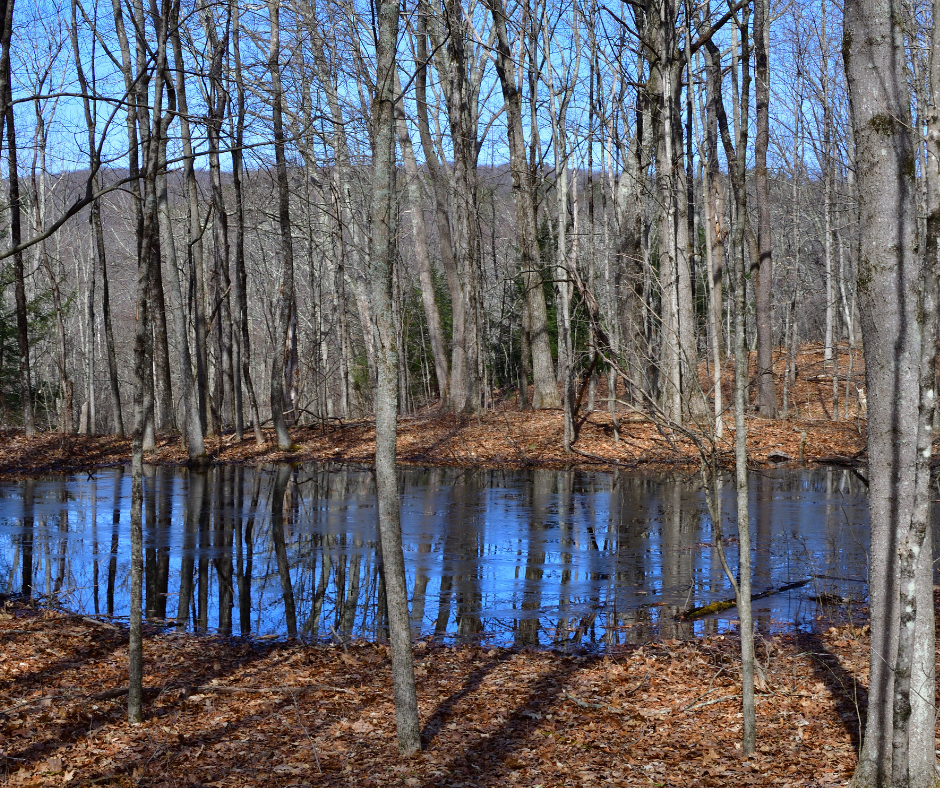
There are a variety of amphibian species that migrate during Big Night. One notable species that usually steals the show in any Big Night conversation is the spotted salamander. They are one of the largest amphibians in Maine, getting from 6 - 10 inches long! Their yellow spots stand out brightly against their black and grey bodies. You may also run into adorable spring peepers, wood frogs, the haphazard toad, and more! All of these species share the same goal, migrating from their winter area, either a burrow under ground or from just under the leaf litter, to breed, traveling from a couple hundred feet to ½ mile to pools of water called vernal pools. These small collections of water exist only for a short period of time in spring, drying up for the rest of the year make a great, safe space for amphibians to lay eggs. Many frogs and salamanders will return to where they were born to spawn, continuing the cycle year after year.
Why do amphibians need help?
These evenings can be extraordinary to witness, as hundreds and even thousands of amphibians migrate on one Big Night evening. Many people celebrate Big Nights in the area that they occur, waiting impatiently during the spring season to head out and watch these little critters make their yearly trek. And many of these folks aren’t just heading out on Big Nights for the experience, they’re out there helping frogs and salamanders cross safely and contributing to vital conservation efforts! The best part is that these efforts are open to all, anyone can join in and help out. But why?
Population declines in various amphibian species have been noted in the past decade. While the causes of this population loss vary, we do know from research that thousands of amphibians are killed each year by vehicle strikes. This has been affecting amphibian populations across many areas. Since amphibians are more sensitive to environmental changes, many see their decline as a signal of broader ecological issues. This is why many efforts are being made to protect and support these species, including the Maine Big Night Project.

What is the Maine Big Night Project?
The Maine Big Night Project is a community science initiative dedicated to protecting amphibians during these critical spring migrations. Each year, volunteers head out on rainy nights to help frogs and salamanders safely cross roads and collect important data on their movements. These volunteers are tasked with properly identifying and logging the frogs and salamanders they find along their assigned road site. After the data is collected volunteers place the amphibians safely off to the side of the road in the direction that the individuals were heading.
Led by a dedicated board and powered by the support of generous donors and passionate volunteers, the project not only safeguards amphibians but also contributes valuable information to guide local town planning and conservation efforts. This data helps identify areas where solutions like wildlife tunnels could make a lasting difference.

How can I help?
You can make a big impact during Big Night season! Start by driving carefully on rainy spring nights, especially near known amphibian crossing zones. Spread awareness by sharing information with your friends, family, and local community groups.
Want to take it a step further? Get rained in how to safely assist amphibians and collect data with Maine Big Night. Make sure to gear up with essentials like a flashlight, reflective vest, and ID guide. Don’t have your own supplies? Rent a Big Night Kit from Hirundo Wildlife Refuge—complete with everything you need to participate responsibly and support conservation right in your own neighborhood!
Whether you volunteer, spread the word, or simply slow down on a rainy night, your actions matter—every frog and salamander counts!
Resources
Amphibian migrations and road crossings. Department of Environmental Conservation. (n.d.). https://dec.ny.gov/nature/waterbodies/oceans-estuaries/hudson-river-estuary-program/conservation-and-land-use-program/amphibian-migrations-and-road-crossings#:~:text=Migration%20distances%20to%20woodland%20pools,a%20quarter%20of%20a%20mile
Spotted salamander. National Wildlife Federation. (n.d.). https://www.nwf.org/Educational-Resources/Wildlife-Guide/Amphibians/Spotted-Salamander

Comments